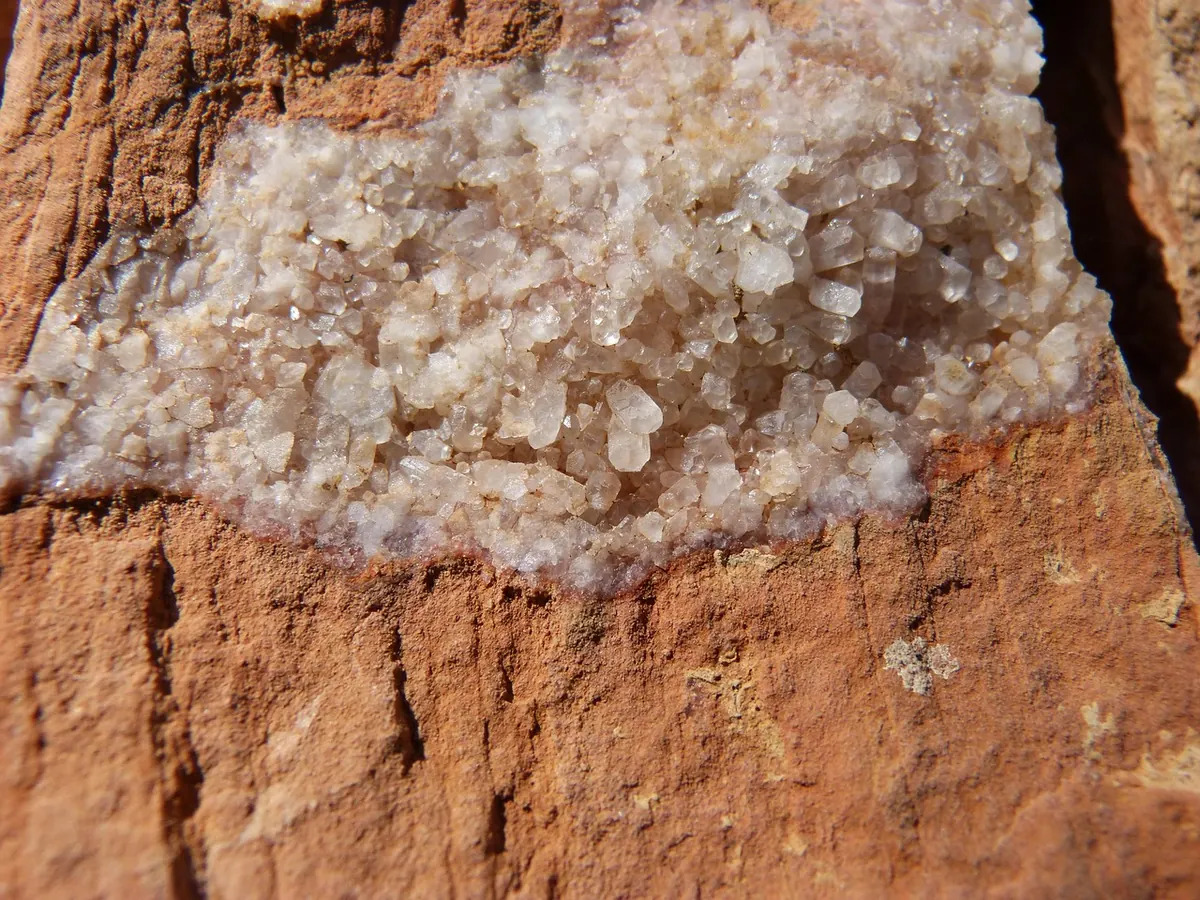
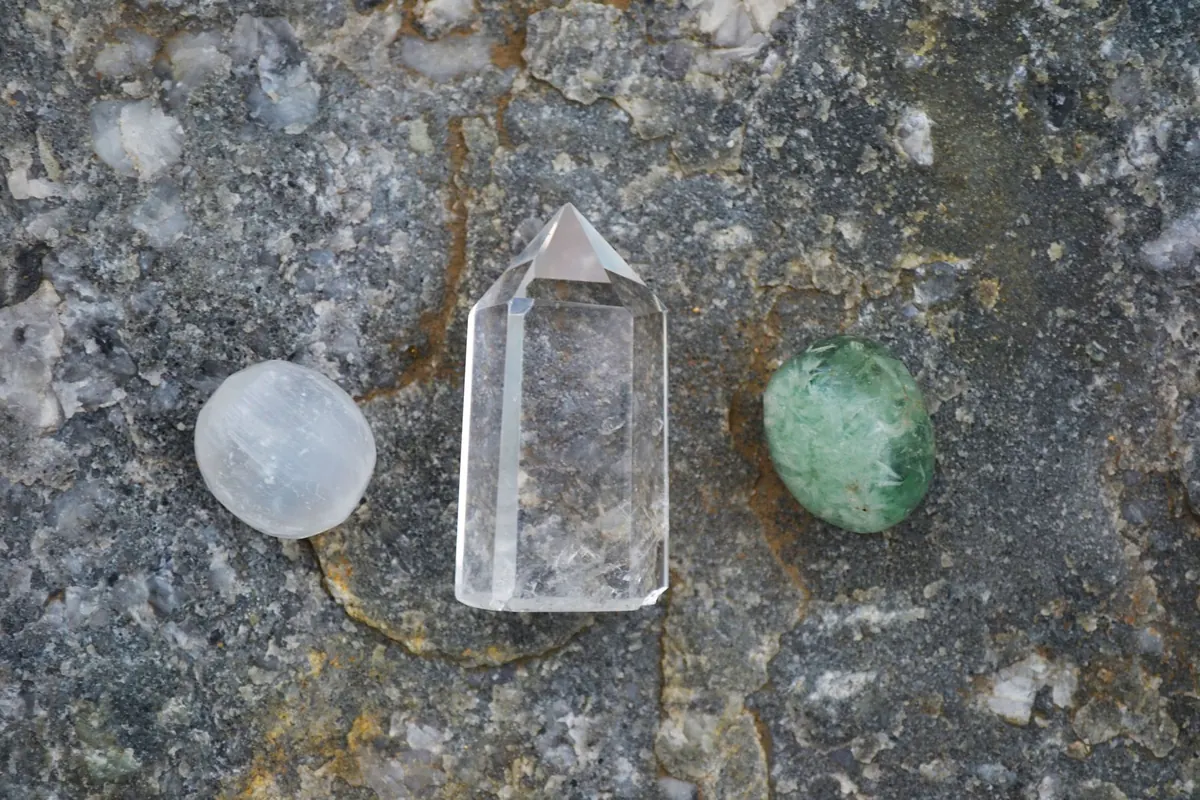
A Seasonal Quartz Care Calendar: Spring Cleaning to Winter Storage
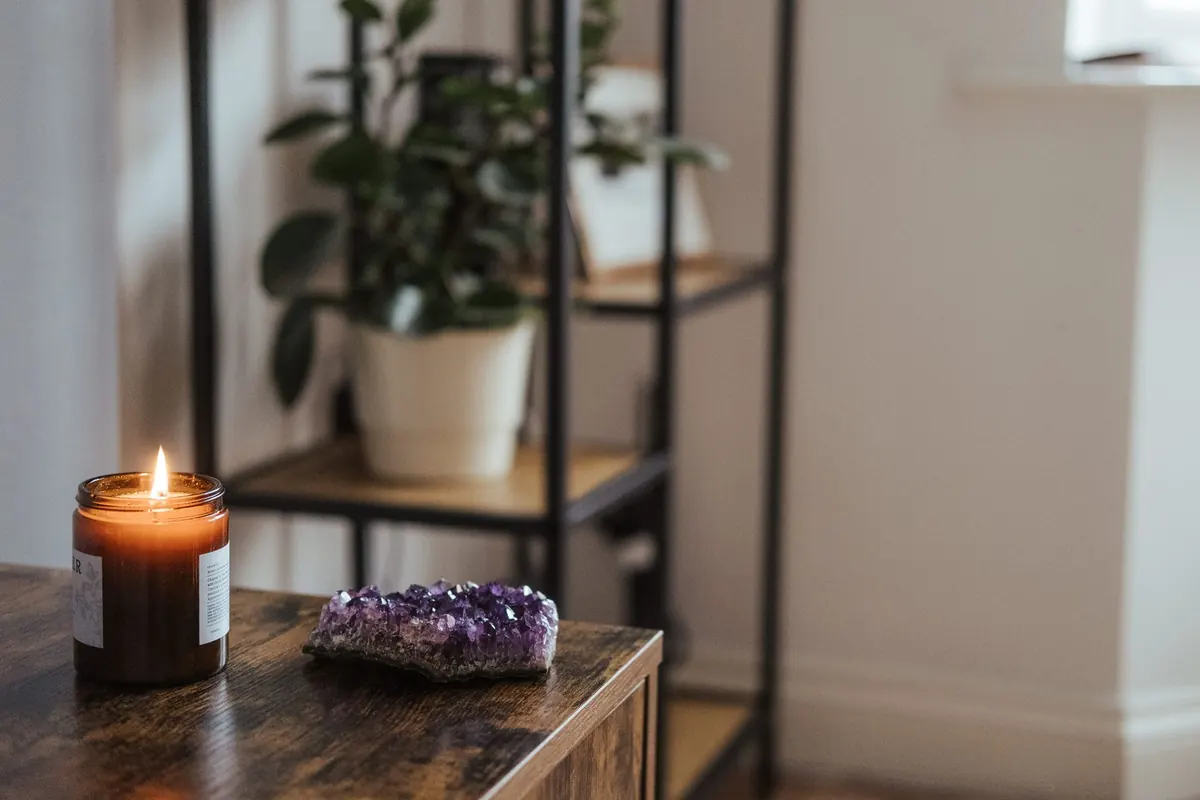
Quartz is a forgiving mineral. At seven on Mohs' scale it shrugs off most household dust, tolerates central heating and doesn't much mind whether the room is 18°C or 22°C. Forgiving, though, is not the same as indifferent. A pyrite-rich specimen left in a cold spare room through one damp winter will show you the difference, and an amethyst cluster that spends three summers on a south-facing windowsill will quietly lose its colour.
What follows is a working calendar rather than a rulebook: what to do with a quartz collection month by month, so that cleaning, humidity control and storage happen in the right season instead of all at once in a panic. Adjust the timings to your own climate; the principles travel well.
Spring: The Annual Dust-Off
Spring is the best time for a deep clean because the air is drying out and anything you wash has a realistic chance of drying properly before autumn. Work dry first, always. A dusty specimen that meets water turns into grinding paste, and mud pushed into hairline cracks is far harder to shift than dust sitting on a crystal face.
You need very little kit: a soft cosmetic or sable brush, a stiffer nylon brush for tough matrix, a couple of microfibre cloths, cotton buds, distilled water, and a shallow tray to catch the debris.
- Take every specimen off the shelf and look at all of it, not just the display face.
- Check for fresh chips, cloudy patches, rust-coloured blooms and pale fuzz on any sulphide-bearing matrix.
- Dust with a dry brush, working from the top of the piece downwards so debris falls away from the crystal tips.
- Brush into a tray, not across the shelf, and never over a sink.
- Wipe the shelf with a dry cloth. No polish, no sprays.
- Note anything that needs a wet clean, a new label, or a move into storage.
Early Summer: The Wet-Clean Window
Warm, dry weather is the only sensible time to wash quartz. Drying is the slow part, and doing it in a cold damp month is asking for trouble.
The first rule is knowing what is attached to the quartz. Quartz itself is hard, chemically stubborn and happy in water. Its companions often are not. Feldspar, mica and tourmaline are usually fine. Halite, borax and other water-soluble minerals will simply dissolve; clay-rich matrix softens and sheds; sulphides such as pyrite can be rinsed briefly but must be dried thoroughly and quickly afterwards. If you don't know what the grey crust is, don't soak it.
For pieces that are safe, use lukewarm water with a single drop of mild washing-up liquid, a soft brush and gentle circular strokes. Rinse in distilled water so limescale doesn't dry on the surface, pat dry with a lint-free cloth, then leave on a rack in a warm room for a day or two. Never the dishwasher, never an ultrasonic tank on fractured, included or coated material, and no acid or iron-remover treatments unless you have read the safety data and tested an inconspicuous corner first.
High Summer: Light, Heat and Fading
Amethyst, rose quartz and some smoky quartz are known to fade with prolonged exposure to strong sunlight, so a south-facing windowsill is a poor long-term home for coloured material. Rotate pieces through the display, or fit a diffusing blind if you like the light.
Heat is the other issue. Conservatories and unshaded glass shelves can get alarmingly warm, and dark specimens soak it up. Keep displays off radiators and out of direct sun, and never move a hot specimen straight into cold water; fractured quartz can pop.
Autumn: Humidity, the Quiet Enemy
As the damp returns, the priority shifts from dust to moisture. Pyrite and marcasite in quartz matrix are the usual casualties: oxidation shows as a white or grey powder, sometimes with a faint sulphurous smell, and it spreads through a piece once it starts.
Aim to keep display cases and storage boxes in the 40–50% relative humidity range, checked with an inexpensive hygrometer. Silica gel sachets work well in sealed cases, but refresh or recharge them monthly; a saturated sachet does nothing except look tidy. Keep collections out of basements, cellars, kitchens, bathrooms and greenhouses, and never seal minerals into a bag with damp air still trapped inside. If you find a piece with active decay, isolate it, dry it slowly, and keep it away from its neighbours so the powder doesn't settle on them.
Late Autumn: Rotate, Label, Record
Before the heating goes on, give everything a second look. Rotate display pieces so light exposure is shared rather than concentrated, and bring a few stored specimens out for a spell on the shelf. Labels matter more than most collectors admit: mineral name, locality and the date you acquired it, written in pencil or archival ink on acid-free card, and kept with the specimen rather than taped to the shelf edge. A quick photograph of each drawer takes two minutes and saves an hour when you next rearrange.
Winter: Storage and Packing
Cold rooms, lofts and garages combine low temperatures with condensation and, often, a persistent damp. Winter is the season for packing things properly.
- Make sure every specimen is dry and dust-free before it goes away. Damp plus darkness is how mould starts.
- Wrap in acid-free tissue or clean cotton. Avoid PVC wrap and old polyurethane foam, which degrades into a sticky mess that stains quartz.
- Use a rigid box with enough padding that nothing can shift. Quartz is heavy for its size, and a loose piece will chip its neighbours.
- Add a sachet of silica gel, left in its paper wrapper so it doesn't dust the specimen.
- Label the outside of the box, and store it off the floor and away from external walls.
Never freeze specimens in an attempt to deal with pests, never stack heavy boxes on fragile ones, and bring stored pieces back into a warm room gradually rather than straight onto a radiator.
Keeping the Calendar Realistic
The whole routine works better in small doses. Twenty minutes a month is enough: dust one shelf, check one box, swap one sachet. Keep a notebook with dates, so you can see when the desiccant was last recharged and which piece was cleaned when.
A few habits matter all year round. Handle quartz with clean, dry hands and no rings; lift with both hands and support the matrix rather than a single dangling crystal. Don't cut, grind or sand quartz dry indoors, as the dust contains respirable crystalline silica — use wet methods and suitable protection, or take the work to a lapidary club with proper extraction. And if a specimen is valuable, badly damaged, or carrying a coating you don't recognise, ask a mineral dealer, museum or conservation specialist before trying anything at home.
Photo: Anete Lusina / Pexels