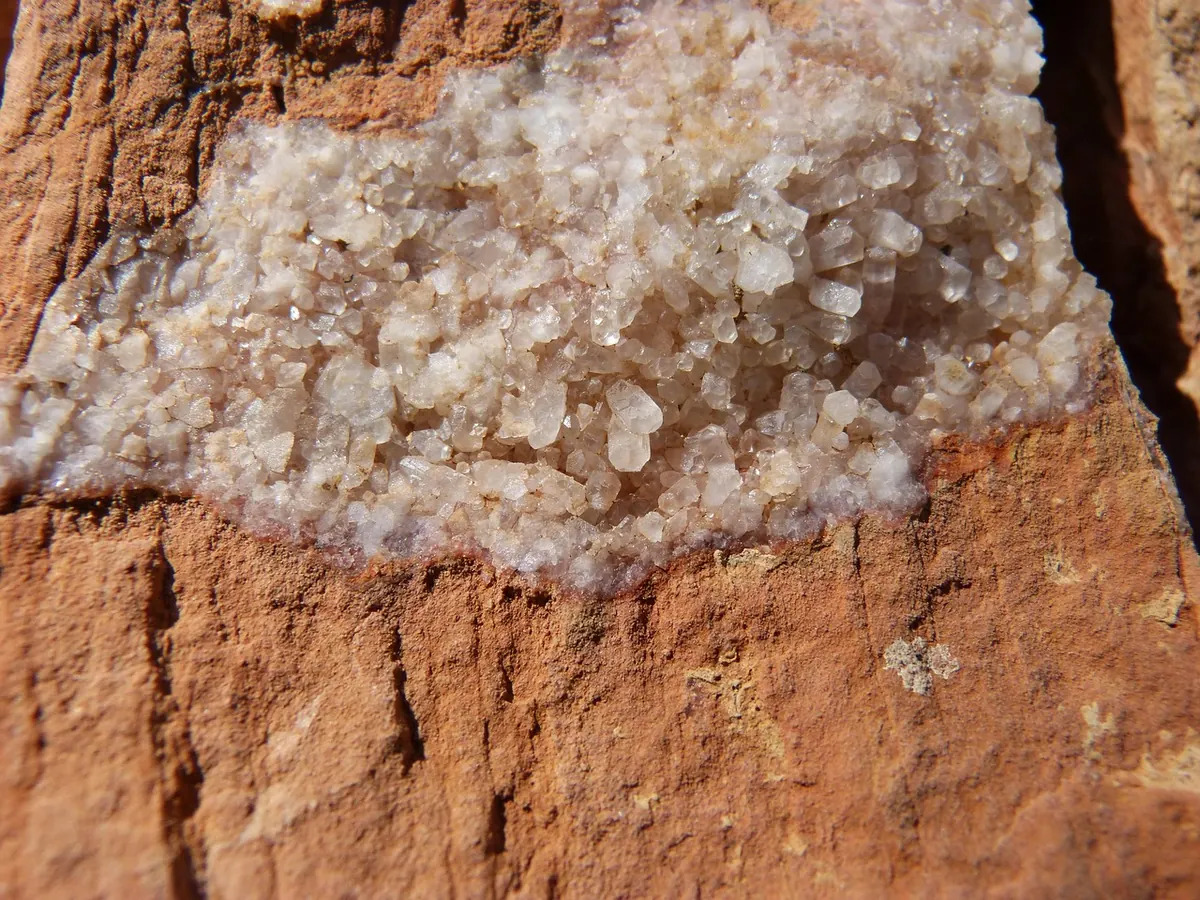
Where to Find Quartz Crystals in the UK: A County-by-County Field Guide
Not everyone gets excited by silicon dioxide. Then you find your first undamaged crystal sitting in a pocket of clay on an old mine tip, and the hobby has you. Britain is not Brazil, but it holds more quartz than most people realise: white veins cutting through Cornish cliffs, smoky Cairngorm points, sharp little prisms on Welsh lead rakes, and beaches that have already polished the same material into smooth white pebbles. Here is where to look, and what to sort out before you go.
Reading the ground: three settings that produce quartz
Almost every collectable quartz in the UK comes from one of three situations.
- Granite veins. Fluids that cooled around granite intrusions left quartz veins and cavities. Cornwall, Dartmoor, the Cairngorms and the Mournes all sit in this group.
- Ore veins in older rock. Lead, copper and zinc miners followed quartz veins through the Pennines, mid-Wales and the Southern Uplands. The crystals usually sit in clay-filled cavities in the spoil.
- Secondhand deposits. Beaches, river gravels and glacial drift have done the breaking for you. Pebble hunting needs no hammer and upsets almost nobody.
Walk the tips rather than the cliffs. Spoil heaps weather faster than solid rock and give up crystals for far less effort. Look for a white rib crossing darker rock, an iron-stained outcrop, or a loose block with a sparkle on a broken face.
Cornwall and Devon
This is the classic ground. The Gwennap and St Day district, east of Redruth, was once among the richest copper and tin areas in the world, and its tips still produce small, bright quartz with chlorite and the occasional surprise. Nearly all of it is private farmland, so permission comes first. Around St Agnes, Trevaunance Cove and the cliffs towards Cligga Head expose quartz veins in slate; parts of that coast are designated sites where hammering is not allowed, so treat them as places to look and photograph.
On Dartmoor, quartz fills veins and joints in the granite, and streams running off the moor carry white pebbles into the valleys. In the Tamar Valley, old lead mines left tips where quartz turns up with galena and siderite.
Wales and the Marches
Mid-Wales is quieter than Cornwall and often more rewarding. The lead mines of the Ystwyth and Rheidol valleys around Cwmystwyth have left substantial tips, and quartz there is frequently coated with goethite or dotted with tiny galena cubes. The Van mine near Llanidloes and the workings around Llangynog and Minera are worth researching before you travel, as access varies from open common land to strictly private ground.
On Anglesey, Parys Mountain is a startling landscape of orange and grey, with copper workings that yield quartz in the waste rock; the site is historically important and actively managed, so check the current rules on collecting. In Shropshire, the lead mines of the Stiperstones and around Snailbeach produce quartz alongside baryte.
The Pennines, Cumbria and the North East
Derbyshire's lead rakes around Castleton, Eyam and Winster are full of small, sharp quartz crystals, often iron-stained. Many workings there are scheduled ancient monuments, which means no digging and often no collecting at all, so keep to public ground and loose material.
In Cumbria, the Caldbeck Fells are famous for fine specimens and equally famous for being protected: the area is a Site of Special Scientific Interest and collecting is not permitted. West Cumbria's haematite mines around Egremont yield quartz with kidney ore, but that is working or leased ground and you will need explicit permission. Further east, Weardale and Allenheads in the North Pennines have produced quartz with fluorite for centuries, and most of the worthwhile tips sit on private or leased land.
Scotland
The Cairngorms gave their name to smoky quartz, and "Cairngorm stones" were once set in jewellery across the country. The uncomfortable truth is that the best ground lies within a National Nature Reserve and protected plateaux where collecting is restricted, so plan to admire rather than pocket. For a realistic trip, look instead at the Lowther Hills around Leadhills and Wanlockhead, where quartz appears with gold in the spoil of old lead workings. Gold panning in Scotland requires permission from Crown Estate Scotland, and landowner permission on top.
The Isle of Arran offers quartz veins in the granite of the north, with shore exposures at Glen Sannox and around the Cock of Arran. Arran is heavily visited by geology groups, so keep disturbance to a minimum.
Northern Ireland
The Mourne Mountains are a granite mass with quartz veins running through it; much of the higher ground is private and the National Trust owns parts of it, so ask before walking in with a hammer. On the Antrim coast, basalt flows carry quartz and zeolites in cavities. The Giant's Causeway is a protected site and removal of material there is not an option.
Beaches and pebble spots
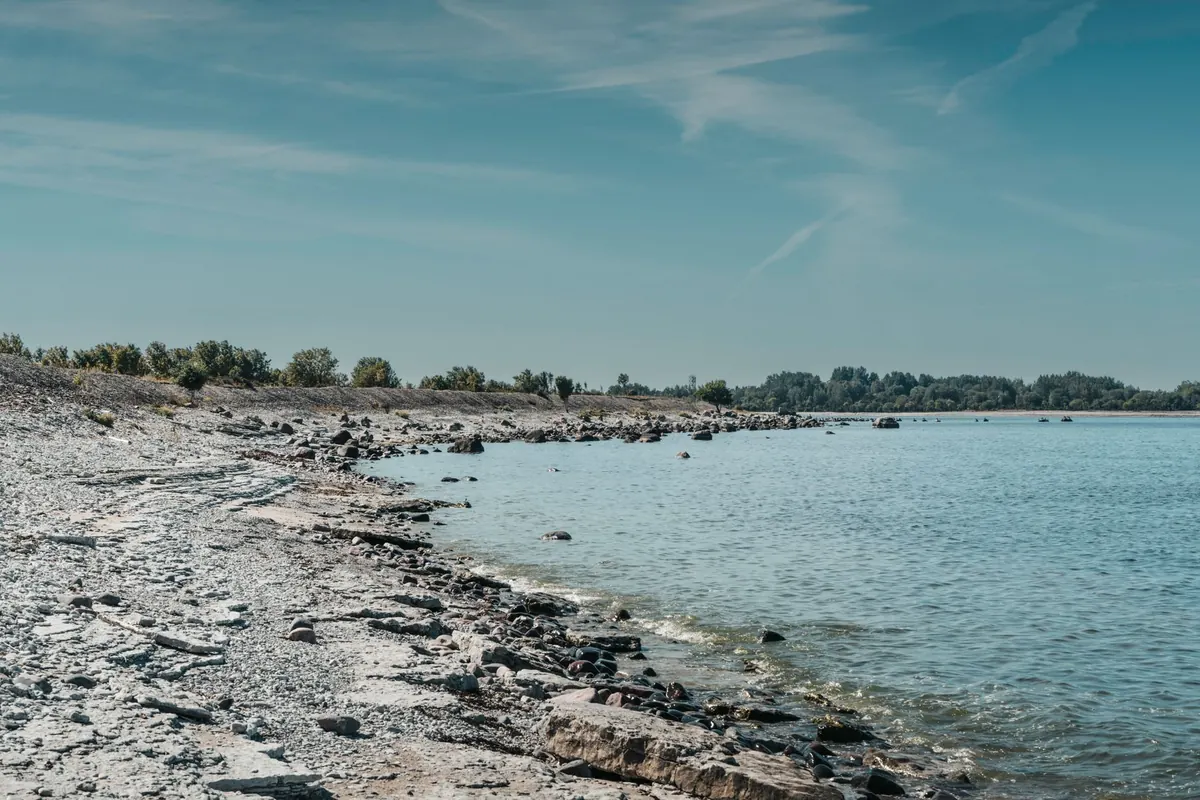
If you want quartz without permission forms and muddy boots, beaches are the answer. The north Cornish coast around Trevaunance Cove, Porthtowan and Perranporth turns up milky white quartz pebbles mixed through darker slate shingle, and the strandline after a winter storm is the best place to start. Anglesey and Pembrokeshire both have coves where quartz appears among the cobbles, and the Yorkshire coast between Runswick Bay and Robin Hood's Bay offers quartz pebbles alongside jet.
Two rules. Some beaches are protected shingle — Chesil Beach is the obvious one — and taking pebbles there damages the very thing that makes the site special. A few councils also restrict removal of material from their beaches, so check locally. Take a handful, leave the rest, and never hammer a live cliff.
Before you go: permission, safety and the rules that matter
- Find the owner. Farmland, forestry, National Trust and Crown land all have different procedures. A short, polite message explaining that you want to look at old spoil heaps and take a few loose specimens gets a surprising number of yeses.
- Check the designations. SSSI, National Nature Reserve, Scheduled Monument and some National Park land usually mean no hammering and often no collecting. If you cannot find a clear answer, don't.
- Keep it shallow. Loose material only. No digging into banks, no quarry faces, and put the ground back roughly as you found it.
- Stay out of the ground. Never enter an adit or a shaft, and do not lean over one to peer in. Old mine waste is often rich in lead and arsenic, so wear gloves, wash your hands before eating, and think twice about taking children to sites with unmarked shafts.
Add safety glasses if you are breaking anything, tell someone where you are going, and check tide times before walking below cliffs. Access rights in Scotland do not extend to removing rock or minerals, and in England and Wales permission is what separates a good day out from an awkward one. This is general guidance rather than legal advice; if a site matters to you, ask the landowner or the designation body directly.
Start close to home, on a beach or a public footpath across old workings, and learn what quartz looks like in the rock around you. The county-by-county list will still be there when you are ready for it.
Photo: Raul Ling / Pexels