Engineered Quartz vs Granite Worktops: A UK Kitchen Comparison
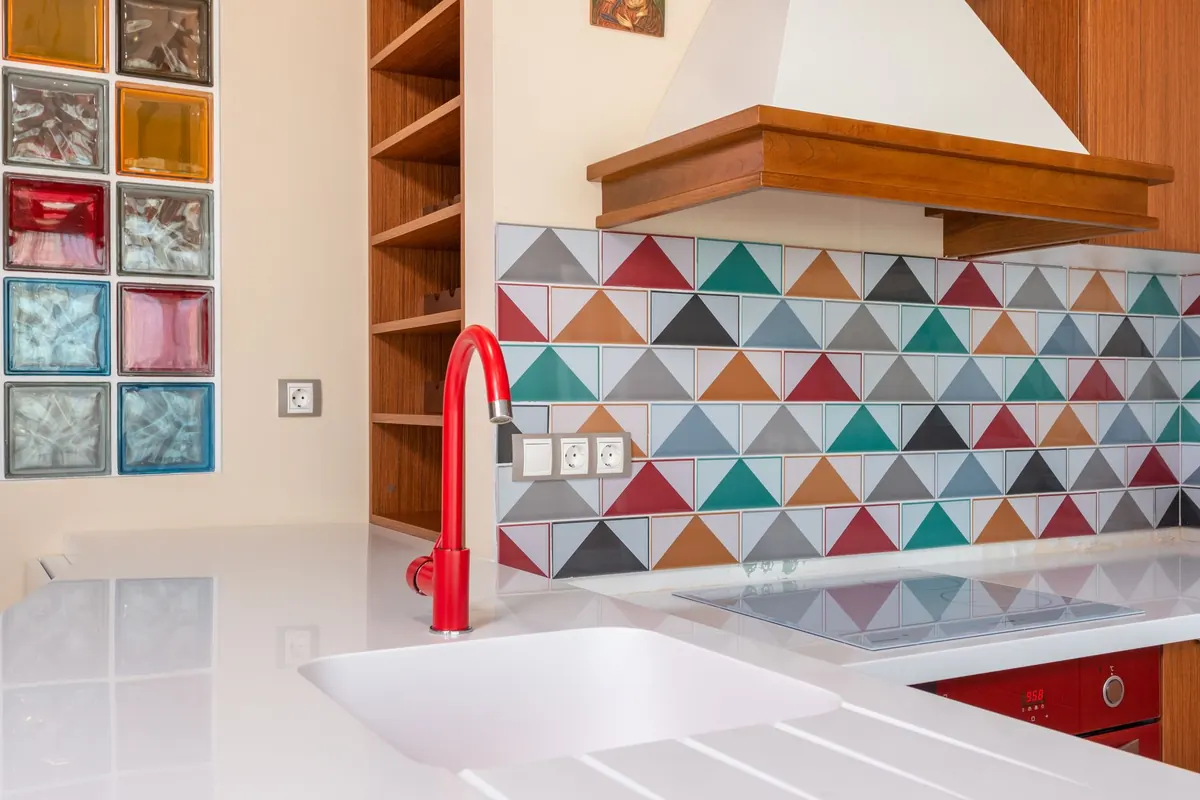
The worktop is the decision that makes a kitchen feel finished — and the one where the showroom conversation tends to get slippery. One person tells you quartz is the modern, low-effort choice; another insists nothing matches the depth of real granite. Both are partly right. Engineered quartz and granite behave differently, cost differently and age differently, so the sensible answer depends on how you cook, how long you plan to stay, and how much you care about pattern.
What each material actually is
Engineered quartz is a manufactured slab: typically around 90 per cent crushed quartz aggregate bound with resin and pigment, pressed and cured into consistent sheets. That manufacturing step is why two slabs from the same batch look near-identical, and why you can order a colour and actually receive it. It also explains the material's one genuine weakness, which we'll come to.
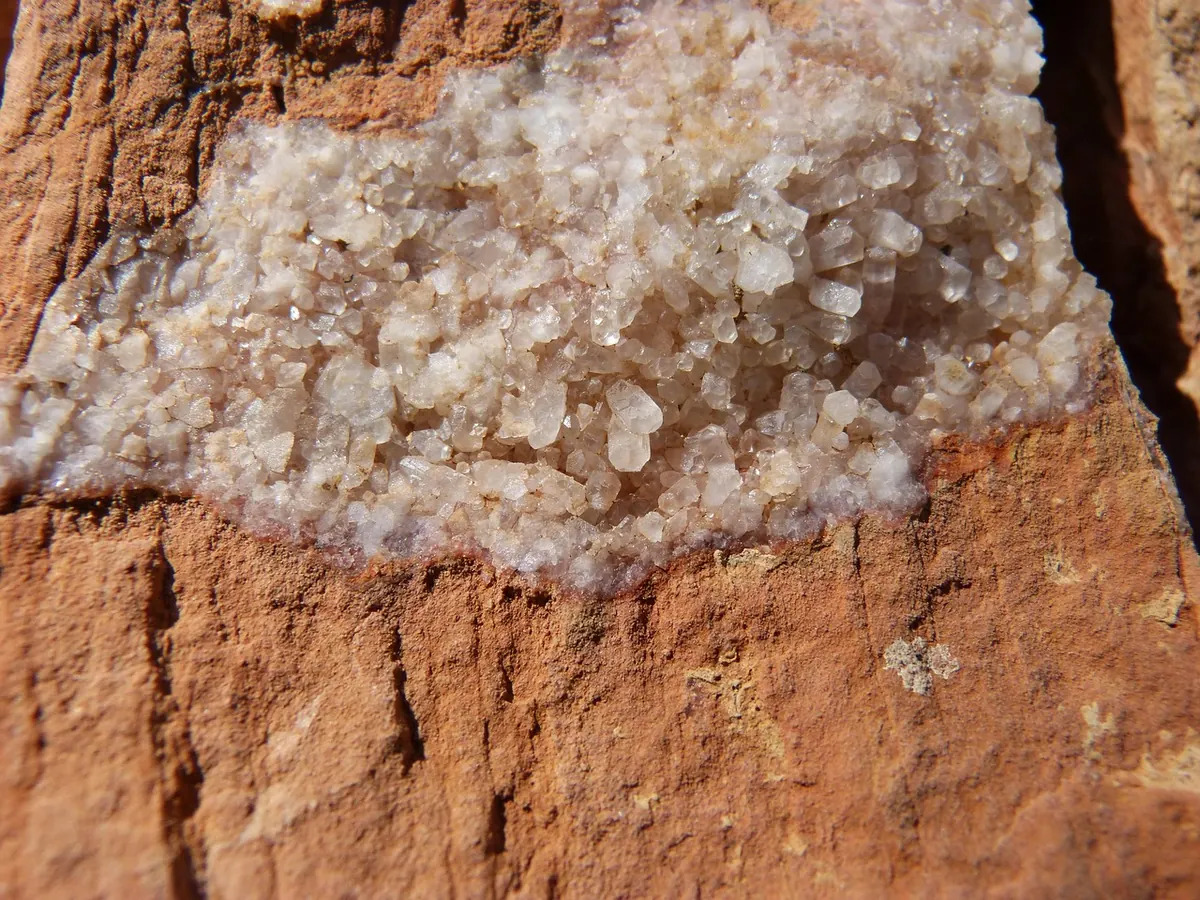
Granite is quarried stone — sawn, polished and finished. No two slabs match. That's the appeal if you want a worktop that could not be mistaken for anything else, and the risk if you're ordering from a small chip rather than the slab itself.
Quartz is a manufactured product with a specification. Granite is a natural material with a personality.
Cost: where your money actually goes
For a typical British kitchen, both materials sit in broadly the same territory, and the name on the label matters less than these:
- Slab tier. Quartz is sold in ranges — entry-level, mid, premium. Fine veining and marble effects push the price up. Granite varies enormously with quarry and availability; a common grey can be modest, an unusual Brazilian or Indian slab can outrun most quartz.
- Thickness and edge. 20mm and 30mm slabs are both common. Mitred edges, which build up a thicker-looking front edge, add fabrication time.
- Cut-outs and extras. Undermount sink cut-outs, tap holes, hob cut-outs, drainer grooves and upstands all add labour.
- Slab size and joints. A long run or a large island may need a joint, or a bigger slab than standard.
- Templating and fitting. Often the biggest variable. Some cheap quotes quietly exclude templating, removal of the old worktop or waste disposal.
Compare complete fitted quotes rather than square-metre rates, and ask what happens to your offcuts — they are useful for a utility room shelf or a matching splashback.
Maintenance: what a normal week looks like
Quartz is the easier surface day to day. Warm water, a drop of washing-up liquid and a soft cloth will handle almost everything. It's non-porous, so it never needs sealing. Don't use abrasive scourers or cream cleaners, and don't leave strong bleach-based products sitting on it. Dark quartz shows water spots and dust; very white quartz can show marks more readily, so choose with that in mind.
Granite follows the same daily routine, plus sealing. Most sealed granite benefits from resealing periodically, and the water test tells you when: sprinkle a little water on the surface, wait a few minutes, and if the stone darkens where the water sits, the seal has worn. Oil, red wine, citrus and beetroot are the classic offenders on unsealed stone. Both surfaces dislike being used as a chopping board — use the board.
Heat, knives and damage
Granite handles heat better because it is stone all the way through, though even granite can crack from a sudden temperature change, so a trivet is not paranoia. Quartz's resin binder is the limiting factor: scorch marks, yellowing and hairline cracks from thermal shock are all reported, and they are not always fixable. Some quartz colours can also fade or yellow in strong, prolonged direct sunlight, which matters if your worktop runs under a large south-facing window.
Chips happen to both. Granite chips at edges and corners; a good fabricator can usually disguise the repair. Quartz chips too, and a chipped edge in a strongly veined pattern is harder to make invisible, because the repair has to match a printed design.
Staining, sealing and seams
Quartz is non-porous, so spills sit on the surface until you wipe them. Granite is porous but usually protected by a sealer; the realistic risk is a stain in an area where the seal has worn, often around the sink or hob where cleaning is frequent.
Seams are quartz's quiet advantage: joins are tight and uniform. Its quiet disadvantage is pattern repeat. Because slabs are pressed from a mould, the veining repeats — on a long run you may see the same sweep of grey appear twice. Ask to see a slab layout before anything is cut.
Resale: what buyers notice
A worktop rarely sells a house on its own, but it appears in every photograph. A chipped, stained or dated surface reads as a kitchen that needs replacing, which is a costly impression to leave. Light, mid-tone quartz with a simple square or slightly eased edge is the safest choice for most British homes. Granite suits period properties and buyers who want character and are happy to accept the variation.
If you might move within a couple of years, keep the fitting paperwork and check whether the manufacturer's warranty can be transferred to a new owner — some can, some can't.
How to choose: a practical approach
- Get a physical sample and live with it for a few days, in your kitchen's morning and evening light. Showroom lighting flatters everything.
- For granite, see the actual slab, or at least photographs of the exact slab allocated to your job. Never buy from a chip alone.
- Ask every quote what is included: templating, old worktop removal, sink and hob cut-outs, upstands, joints and waste removal.
- Read the warranty for what it covers — heat, stains, chips — and what voids it, such as cutting directly on the surface.
- Decide your sink, tap and hob before the worktop is ordered. Changing your mind afterwards means cutting into a finished slab.
- If this is part of a wider renovation, ask your designer or builder to price both options properly rather than comparing an entry-level granite quote with a premium quartz one.
Both materials will serve you well. Granite is for the person who wants the stone itself, with all its unpredictability. Quartz is for the person who wants the finish to be predictable, easy to clean and repeatable if a section ever needs replacing. Work out which of those you are, and the choice stops being difficult.
Photo: Max Vakhtbovych / Pexels